


Nieuws
Nieuwe GONOW Move Vrij Live Volledig
Nieuwe GONOW Move Vrij Live Volledig
Few decisions during the camper van buying process spark as much debate as whether to include an onboard bathroom. It takes up space that could otherwise go toward storage or living area, adds cost, and introduces an extra system to maintain. For many buyers, the question comes down to a simple trade-off: is the convenience really worth what you give up to get it? Looking closely at what an onboard bathroom actually changes about day-to-day travel makes the answer clearer than it might first appear.
The most immediate benefit of an onboard bathroom is the freedom it creates from relying on outside facilities. Campground restrooms and public amenities come with their own limitations — restricted operating hours, inconsistent cleanliness, and the simple inconvenience of walking across a site late at night or in poor weather. An onboard bathroom removes that uncertainty, letting you stop wherever the day's travel ends rather than planning routes around facility availability.
This independence becomes even more valuable in remote or less developed locations, where reliable public facilities may not exist. For travelers drawn to off-the-beaten-path destinations, an onboard bathroom isn't just a convenience — it's often what makes those destinations practical in the first place. The ability to stay self-sufficient, regardless of what's available nearby, significantly expands where a trip can actually go.
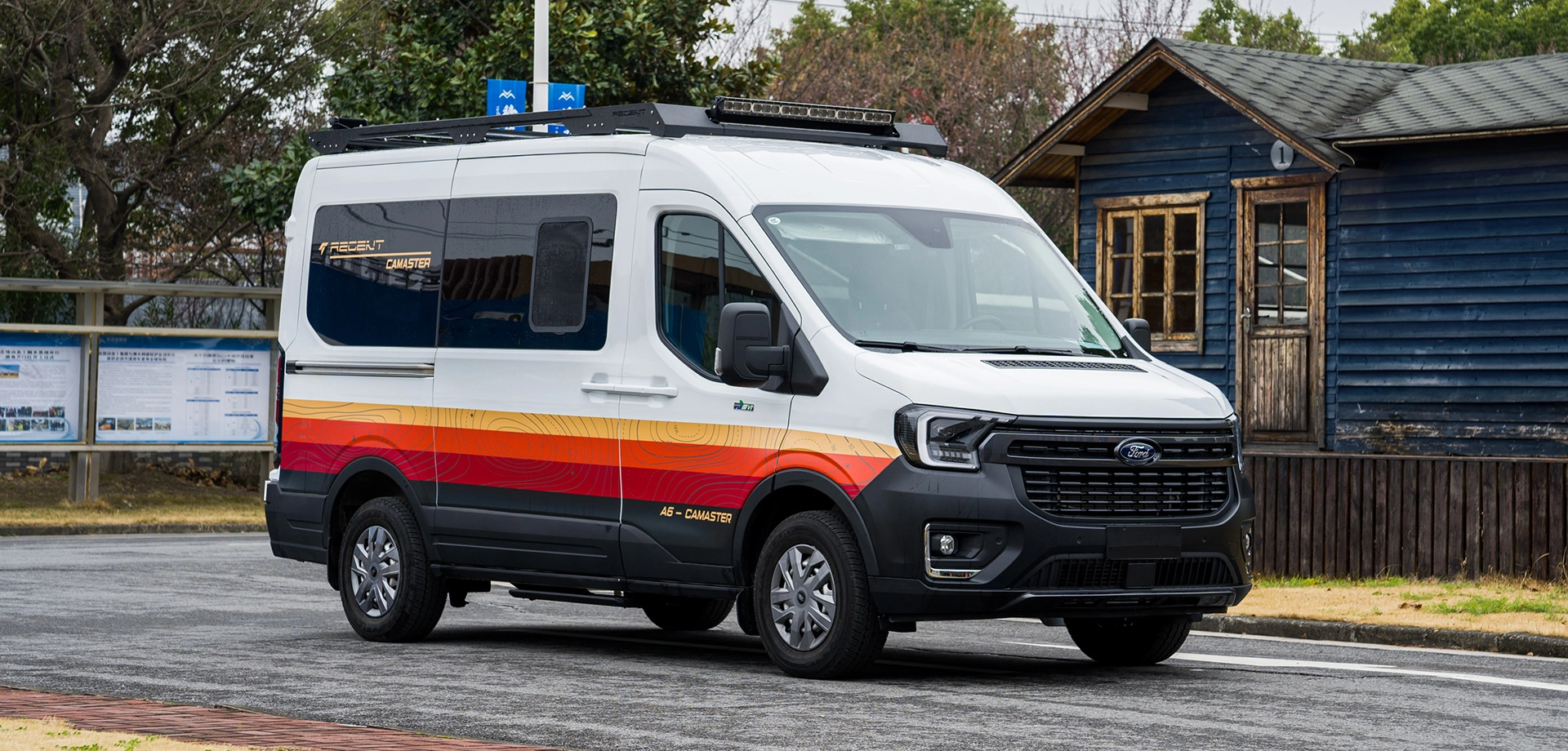
Beyond pure functionality, an onboard bathroom changes the overall feel of a trip in ways that are easy to underestimate. Privacy matters more than it might seem on paper, particularly for families traveling with children, groups of friends sharing a vehicle, or anyone spending extended time in close quarters with others. Having a private space removes a layer of friction that builds up over the course of a longer trip.
Certain travelers benefit even more directly. Women, older travelers, and parents traveling with young children often place a higher practical value on private, on-demand facilities than other segments of the market, whether for safety, accessibility, or simple convenience. For these travelers, shared or public facilities can introduce genuine hesitation about certain trips or locations altogether — hesitation that an onboard bathroom removes entirely.
None of this means the upgrade comes free of trade-offs, and a fair evaluation has to acknowledge them directly. Space is the most obvious cost — a dedicated bathroom takes up square footage that could otherwise expand storage, living area, or sleeping capacity, and in smaller vehicles this trade-off is felt more acutely. There's also ongoing maintenance to consider: freshwater and wastewater tanks require monitoring and regular emptying, and greywater and blackwater systems add a layer of upkeep that a bathroom-free van simply doesn't have.
Cost is the final piece of the equation. Both the upfront purchase price and long-term maintenance expenses increase with an onboard bathroom system, and buyers need to weigh that increase against how much genuine use they expect to get out of it. For some travel patterns, this added cost delivers clear, ongoing value. For others, it may represent spending on a feature that rarely gets used to its full potential.
Whether an onboard bathroom is worth the upgrade ultimately depends on the kind of travel it's being weighed against. Long trips, remote destinations, and family or group travel all tend to make the case strongly in its favor, while shorter trips closer to well-equipped facilities may not justify the added space and cost in the same way. There's no universal answer — only a better or worse fit for a given travel pattern.
What does make a meaningful difference is how well the bathroom itself is designed. A thoughtfully engineered layout can minimize the space and maintenance trade-offs while preserving the full convenience benefit, turning a difficult compromise into a genuinely worthwhile addition. At New GoNow, we work with dealers and fleet partners to design bathroom configurations that fit the specific space and usage requirements of their market, rather than applying a single fixed layout across every vehicle. If you're looking to offer your customers a well-balanced bathroom solution, we'd welcome the conversation.


